
G.D. Hancock, Ph.D.
Exploring Criminal Justice Reform
Brain dysfunction study: "In my latest study, I analyzed the results of the deterioration of brain dysfunction on the addict's ability to deal drugs. The research indicates that it is nearly impossible for an addict to deal in the drug of his choice
Read more...Mandatory minimums section: "In this publication, I argue for the elimination of mandatory...Read more...Brain dysfunction study: "In my latest study, I analyzed the results of the deterioration of...Brain Dysfunction Study
In my latest study, I analyzed the results of the deterioration of brain dysfunction on the addict's ability to deal drugs. The research indicates that it is nearly impossible for an addict to deal in the drug of his choice.
Key Findings
Essential Insights for Reform

Impact of DIH Laws
The current legal environment has gone to the extreme by not considering the culpability of the deceased in DIH cases. After an addict overdoses, they are treated as innocent bystanders, and the surviving addict is treated as a dealer.

Disparities in Sentencing
FAnalysis shows tha Mandatory Minimum Sentencing disproportionately affects low-income and minority populations, perpetuating cycles of poverty and crime. This highlights the necessity for advocacy aimed at dismantling these laws to ensure equitable treatment under the law.
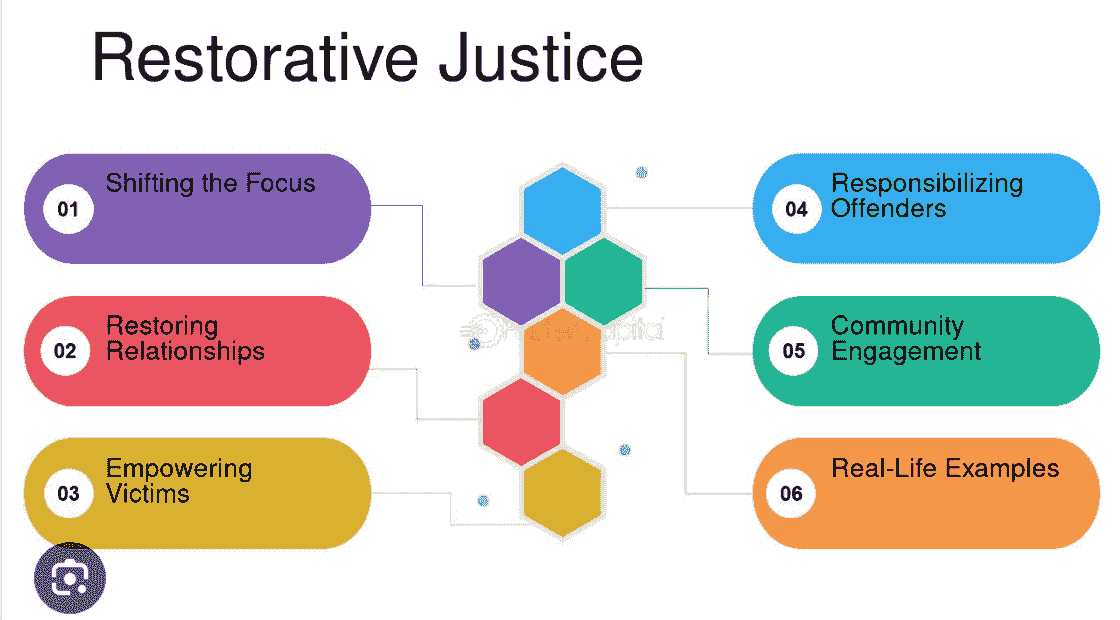
Effectiveness of Restorative Justice
Research indicates that restorative justice programs significantly reduce recidivism rates and improve community safety. Dr. Hancock advocates for the integration of these models into existing frameworks to foster rehabilitation and community healing.
Research Methods
Approaches to Evidence-Based Research
Qualitative Analysis
Dr.Hancock employs qualitative methods to gather in-depth insights from interviews and focus groups with stakeholders in the criminal justice system. This approach allows for a comprehensive understanding of the human experiences behind the data.
Quantitative Research
Utilizing statistical analysis, Dr. Hancock examines large datasets to identify trends and correlations within criminal justice policies. This method supports her findings with empirical evidence, strengthening the case for reform.
Case Studies
Incorporating case studies, Dr. Hancock highlights successful reform initiatives and their outcomes. These real-world examples provide valuable lessons and best practices for policymakers looking to implement change.
Policy Review
A thorough review of existing policies and legislation forms a critical component of Dr. Hancock research. This evaluation helps to pinpoint gaps and areas for improvement, informing her advocacy efforts for systemic reform.
Collaborative Efforts
Working Together for Change

Partnership with national Advocacy Groups
Dr. Hancock collaborates with local advocacy organizations to develop research initiatives focused on community-based solutions to drug-related offenses. This partnership aims to create actionable policy recommendations based on grassroots insights.

Collaboration with Academic Institutions
In partnership with leading academic institutions, Dr.Hancock engages in interdisciplinary research projects that explore innovative approaches to criminal justice reform. These collaborations produce high-quality research that informs policy discussions at national levels.

Joint Initiatives with Government Agencies
Working alongside government agencies, Dr. Hancock contributes to pilot programs aimed at reforming sentencing practices. These initiatives serve as testing grounds for evidence-based approaches that can be scaled nationally.