Advocacy

Four changes to how the United States prosecutes and sentences addiction.

How the law works now

How an overdose death becomes a homicide chargeA four-step sequence: an overdose death occurs, investigators trace the supply, the last person to handle the drug is identified, and that person is charged under drug-induced homicide law. What follows the charge is shown in the next diagram.01020304A deathoccursSupply istraced backLast personto hold itCharged withhomicideThe sequence runs the same way whether the supplier profited or shared.Dependency, intent and the deceased’s own conduct enter at no point in the chain.

How a drug-induced homicide charge is built. What happens after the charge is the subject of the next diagram. Illustrative, not a statistical claim.

Four necessary changes

Restore the intent requirement

These statutes convict a supplier without proving they intended anyone to die — no other homicide charge works that way. Require proof of intent, or of recklessness as to death, before a homicide conviction attaches.

Argued in The Myth of the Addict-Dealer

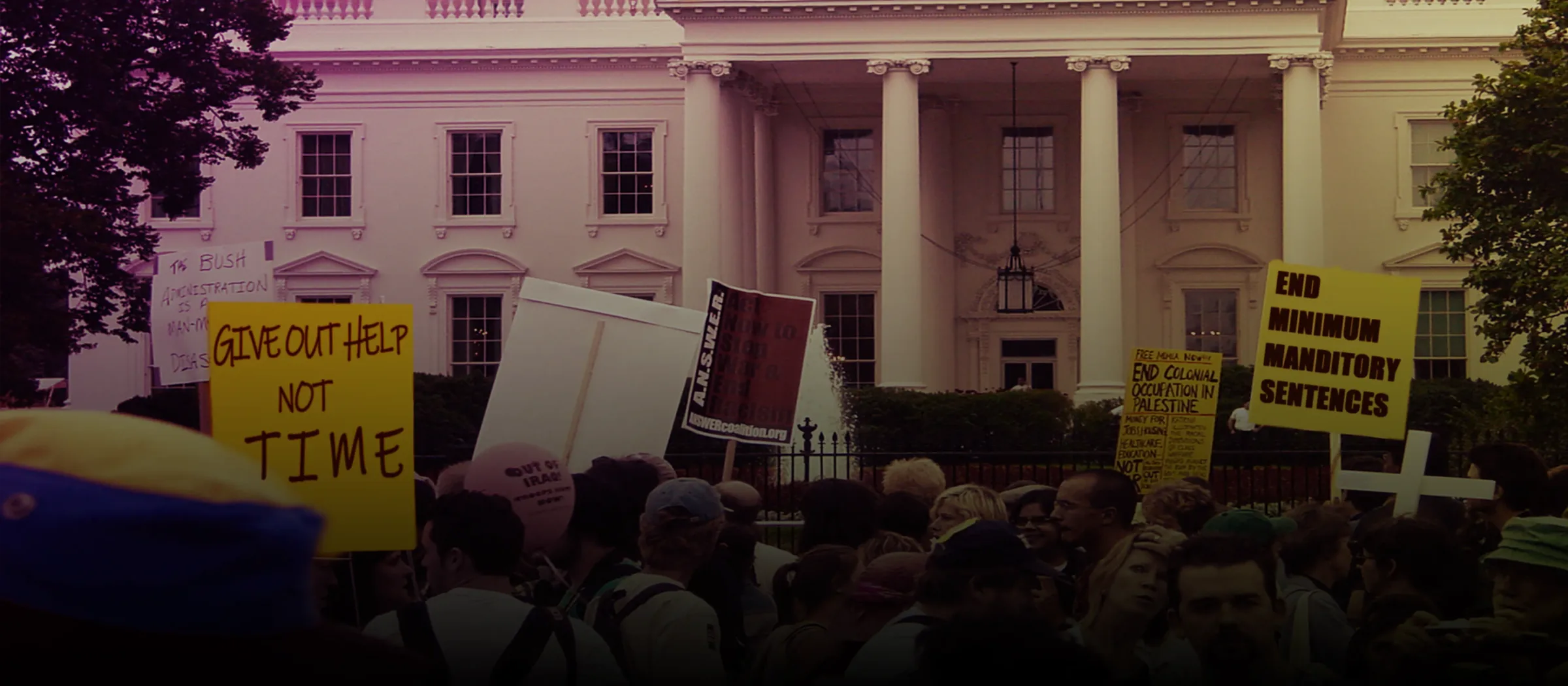
End mandatory minimums in these cases

Where death results, the federal charge carries twenty years fixed before the hearing begins, so no judge can weigh addiction, role, or circumstance. Return sentencing discretion to the bench.

Argued in Strict Liability by Another Name: Mandatory Minimums in DIH

Stop charging shared use as dealing

People who use together and share what they have are prosecuted as distributors when one of them dies. Statutes should distinguish supply for profit from shared use between dependent people.

Argued in The Illusion of Victimhood in Overdose Deaths

Two responses to the same harm

Two responses to the same harmFrom a single harm, two paths diverge. The punitive path runs from charge to mandatory sentence to incarceration to release with a record, and loops back toward harm. The restorative path runs from accountability to repair to treatment to reintegration, and ends.Harm occursPUNITIVERESTORATIVEChargeSentence fixed in advanceIncarcerationRelease, with a recordAccountability to those harmedRepair, where repair is possibleTreatment for dependencyReintegrationreturns to the startends

What each approach does with the same event, from the charge onward. Illustrative, not a statistical claim.

Get involved

Most drug-induced homicide statutes are state law, so most of this is decided in state legislatures. The federal hook is the death-results provision of 21 U.S.C. § 841, which is what carries the twenty-year mandatory minimum.

The traffic in state legislatures is running the other way, and has been for years. Thirty-one states and the District of Columbia now have drug-induced homicide statutes, up from twenty-four in 2018 — a third more in six years, counted by Temple University’s Center for Public Health Law Research. In four of them — Arizona, Colorado, Florida and Oklahoma — the offence can carry a death sentence.

The expansion is still going. South Carolina’s S.183 would create a drug-induced homicide offence carrying up to thirty years; it passed the state Senate 41–0 on 11 March 2026 and sits with the House Judiciary Committee. It does carry a Good Samaritan provision protecting people who call for help during an overdose. Bills of this shape are what the four changes above are arguing against. State count as of 1 May 2024; bill status checked 7 September 2026.

  1. Write to the people who can change it

    Find your representative at house.gov, and your two senators at senate.gov. State legislators are listed on your own state’s legislature site.

  2. Say what you are asking for

    A letter in your own words carries more than a form. If it helps to start somewhere, this is the shape of it:

    Dear [Representative / Senator ____],

    I am a constituent in [town]. I am writing about drug-induced homicide prosecutions.

    These statutes allow a homicide conviction without proof that anyone intended a death, and where death results the federal sentence is fixed at twenty years before a judge hears the case. People who used drugs together and shared what they had are being prosecuted as dealers.

    I am asking you to support restoring an intent requirement, to end mandatory minimums in these cases, and to direct funding toward treatment rather than prosecution.

    [If this has touched your family, say so here. It is the part they remember.]

    Sincerely, [name, address]
  3. Work with people already doing it

    Several organizations campaign on these statutes and on sentencing, and some run support for affected families. They are listed on the organizations page.

  4. Hear when something changes

    To be told when a paper is published or a bill moves, email gdweise@hancockonaddiction.org with “mailing list” in the subject.

For collaboration, speaking requests, or policy inquiries, see the contact page.