G.D. Hancock, Ph.D.
Scott’s Story
Before the Twenty-Year Sentence, There Was a Life
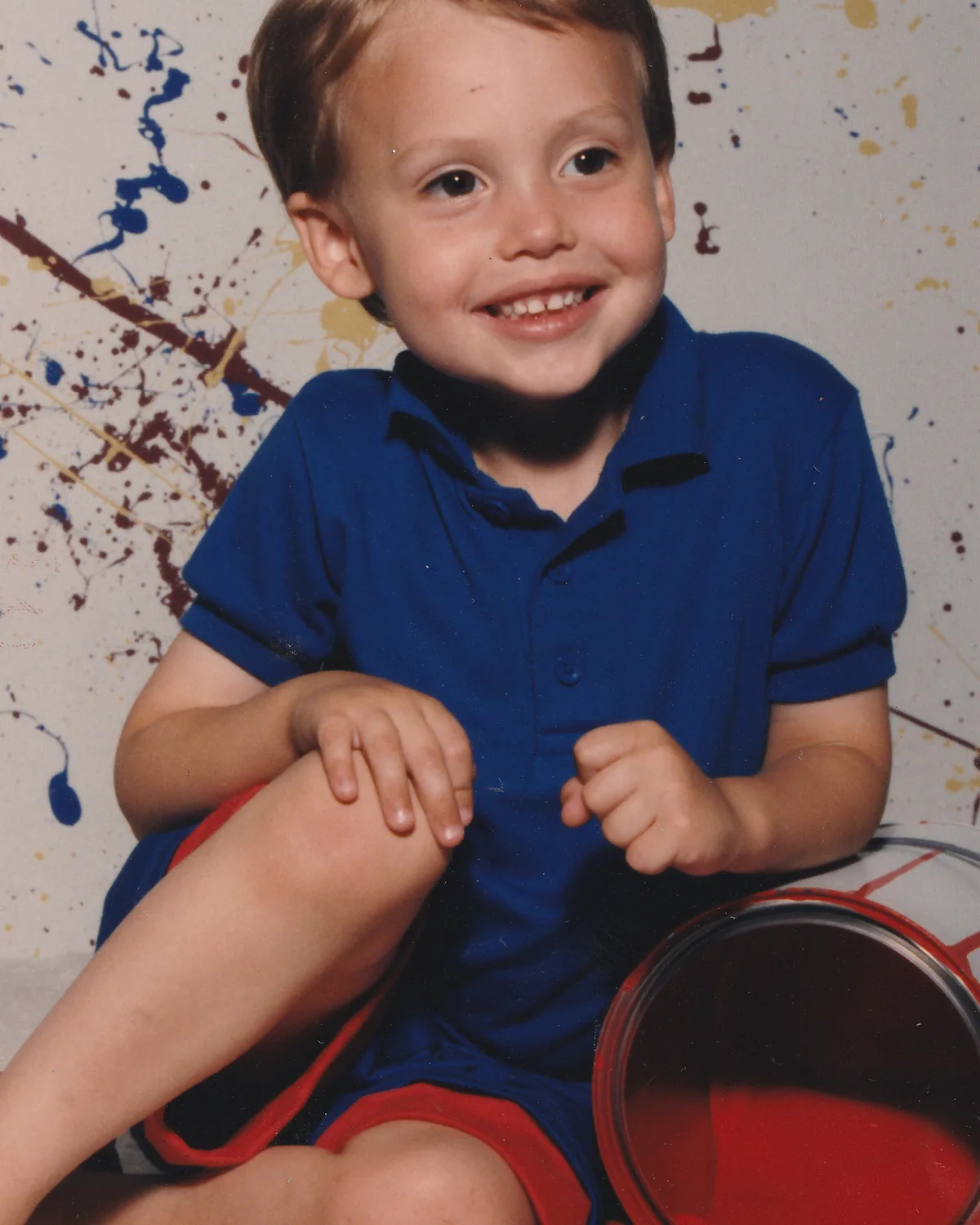
My name is Gary Scott Hancock. Today, I am serving a twenty-year federal prison sentence. But that is not where my story began. I grew up in the St. Louis area in a family that loved me and gave me opportunities many people never have. I spent my childhood practicing Tae Kwon Do, fly-fishing and camping with my dad, and growing up with my younger sister.
Nothing about my childhood made federal prison inevitable.

Addiction entered my life quietly.
After recurring kidney stones in my late teens, prescription painkillers became part of my life. Eventually, taking opioids stopped being temporary.
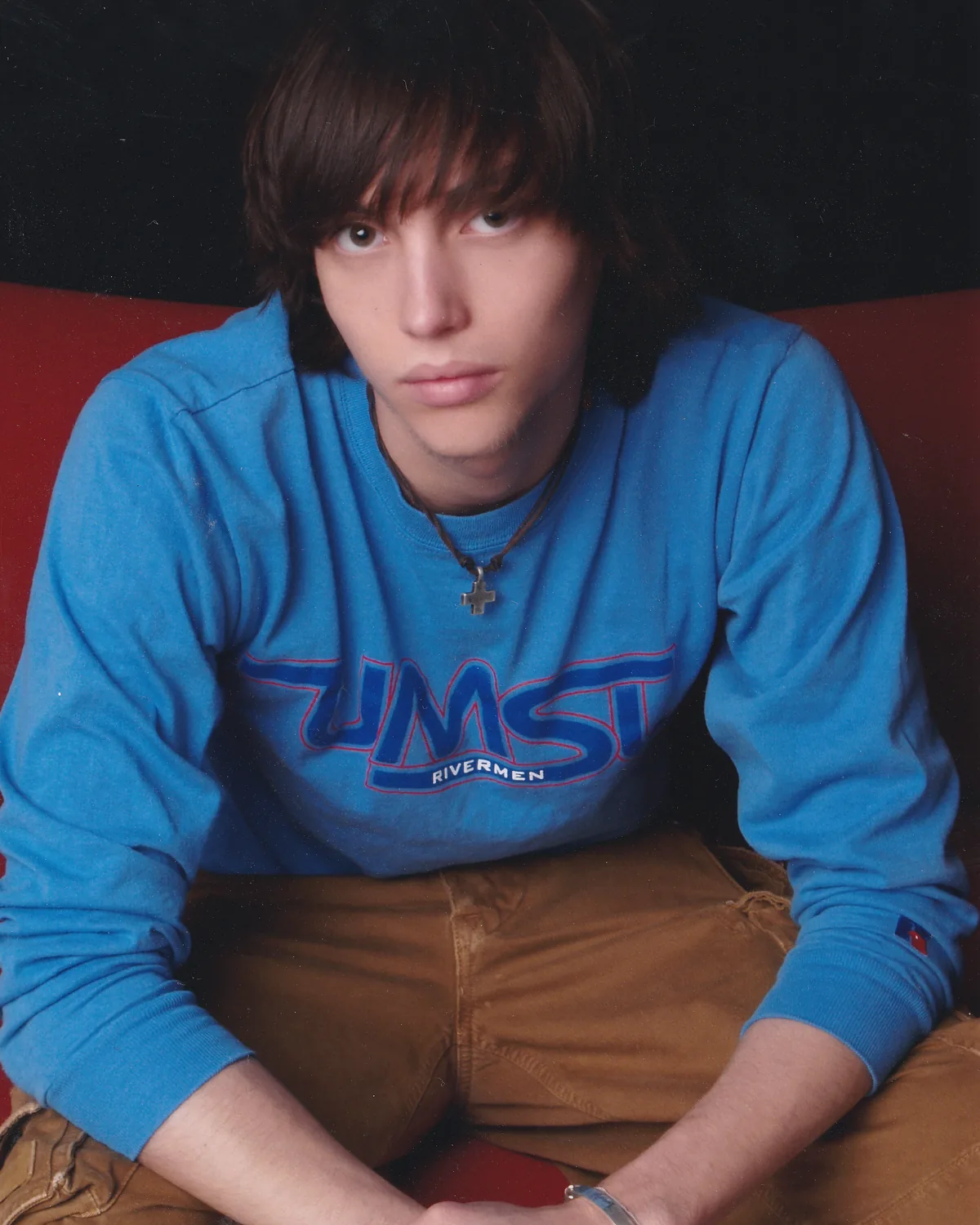
For years, I kept moving forward. I attended college and graduated from the University of Missouri–St. Louis with a bachelor’s degree in business administration with an emphasis in finance.
I was a college graduate. I was also addicted to opioids. Both things were true at the same time.
When Addiction Took Over
After college, the life I had managed to hold together began falling apart. I lost homes, damaged relationships, accumulated criminal charges, and repeatedly squandered the chances my family gave me. Prescription pills became heroin. Heroin became fentanyl. I tried treatment. I relapsed. I overdosed. A friend died from a fentanyl overdose while I was living with him.
Still, I couldn’t stop.
Addiction explains much about those years but does not erase my responsibility for them.
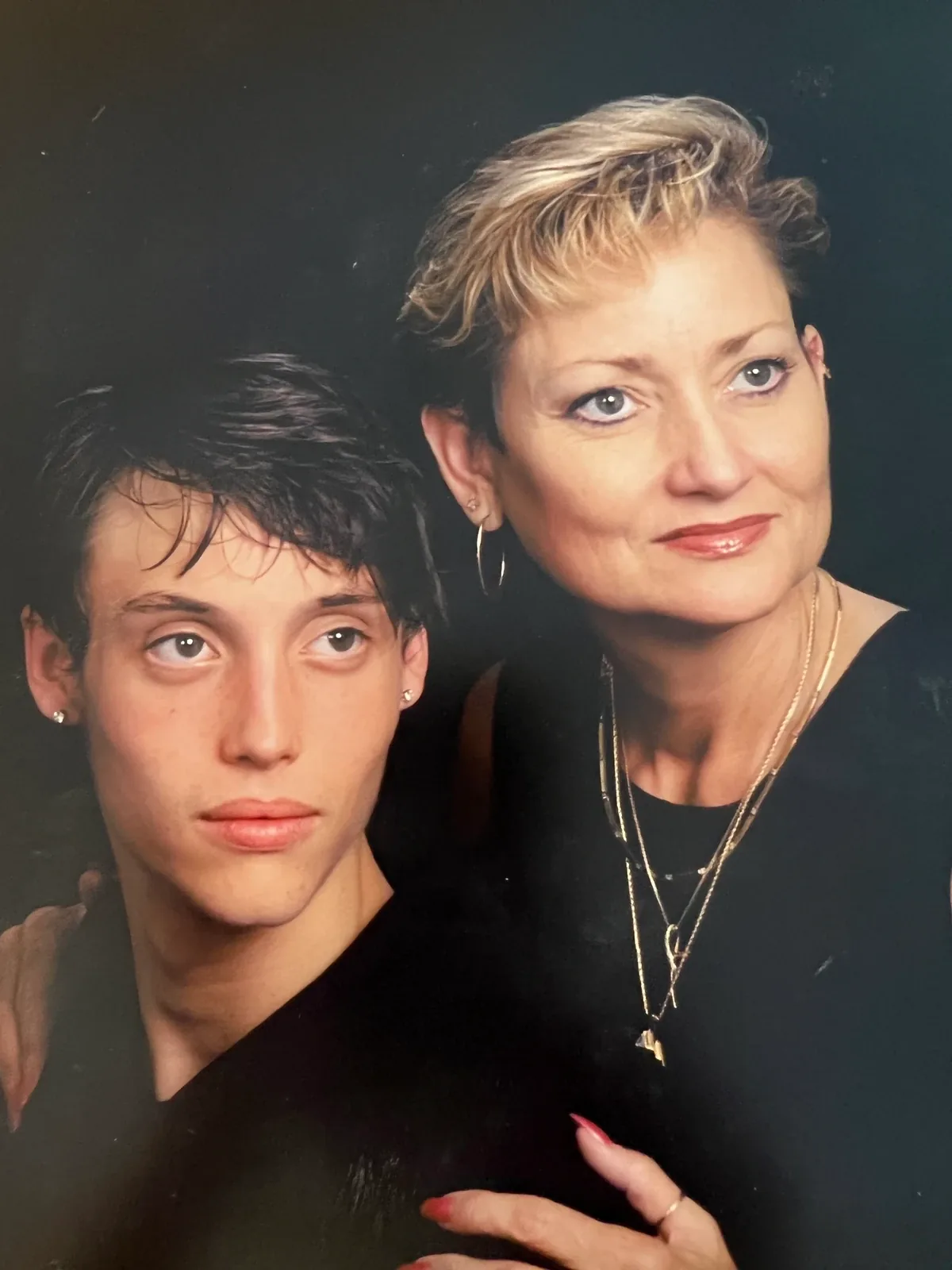
By 2018, my life revolved around fentanyl and avoiding withdrawal. I couldn’t maintain a job or anything resembling a normal life. My mother and I were again talking about getting me into treatment. I never made it.
T.G.
T.G. was a nineteen-year-old who was also struggling with opioid addiction. I knew her through my girlfriend, who had previously helped T.G. obtain fentanyl. Before leaving for treatment, my girlfriend asked me to help T.G. if she contacted me while suffering from withdrawal. One day, T.G. called. She asked me to help her get fentanyl. I agreed. My dealer, BZ, came to my house. When T.G. arrived with twenty dollars, I took five fentanyl capsules from him, walked outside, gave them to T.G., and returned the money to the dealer.
I was not a drug dealer, although I tried that once and failed miserably. I thought I was helping another addict avoid withdrawal. I gave T.G. 5 capsules of fentanyl. T.G. died despite showing very little fentanyl in her system.
Then the Federal Agents Came to My Door
Four months later, federal agents arrested me for distribution of fentanyl resulting in death under 21 U.S.C. § 841. The charge carried a mandatory minimum sentence of twenty years.
I do not deny what I did. I was addicted to fentanyl. I made terrible decisions. And I gave T.G. the fentanyl she asked me to obtain. But 1) giving someone a drug and 2) causing that person’s death are two distinct issues.
An accidental overdose death is not murder.
But the belief that it is, determined the next twenty years of my life.
And it is where the rest of my story begins.